Water damage restoration service for homes and businesses in Greensborough

Water Damage Restoration in Greensborough

Help for leaks, flooded rooms and water-soaked flooring

Greensborough Water Damage Restoration Experts for Homes and Businesses

Looking for water damage restoration near me in Greensborough? We help homeowners, landlords, property managers and businesses respond to burst pipes, appliance leaks, stormwater entry and soaked flooring. Our team assesses visible and hidden moisture, arranges water extraction and recommends suitable drying or cleanup for carpets, timber floors and building materials. If a leak is still active, a licensed plumber may need to stop the source before restoration begins.

Water Extraction
Structural Drying
Mould Remediation
Hard Floor Drying

Water in a room or under the floor?

Talk through the damage with us

0433 420 900

Air Purification

Our air purification service in Greensborough can help manage airborne particles during suitable restoration and cleanup work. We assess the affected rooms first and use appropriate air filtration when the job calls for it.

View Service Details

Structural Drying

Structural drying in Greensborough helps address moisture that remains behind skirting boards, inside plasterboard or beneath floor coverings. The drying setup and repeat moisture checks depend on the materials and the amount of water involved.

View Service Details

Odour Control & Treatment

Our odour control and treatment service in Greensborough starts by identifying the likely source of a musty or lingering smell. Damp materials or residue may need attention before an odour treatment can help.

View Service Details

Mould Remediation

Mould remediation in Greensborough may involve isolating the affected area, cleaning or removing impacted materials and addressing the moisture conditions that allowed mould to grow. The right approach depends on the size of the affected area and the materials involved.

View Service Details

Sewage Cleanup

Sewage cleanup in Greensborough needs careful handling because sewer or toilet overflows can contaminate flooring and porous belongings. Keep people away from the affected area and arrange suitable removal, cleaning and disinfection rather than treating it like an ordinary spill.

View Service Details

Wood & Hard Floor Drying

Wood floor drying and hard floor drying in Greensborough depend on the flooring type, how long it has been wet and whether moisture is trapped underneath. We assess the condition before discussing targeted drying, repair or replacement.

View Service Details

Water Extraction

Water extraction in Greensborough removes pooled water from affected rooms before detailed drying begins. The method depends on water depth, access, the surface involved and whether the water is clean or contaminated.

View Service Details

Wet Carpet Cleaning

Wet carpet cleaning in Greensborough starts with checking the water source and how long the carpet and underlay have been wet. Extraction, cleaning and drying options depend on the carpet's condition and any contamination risk.

View Service Details
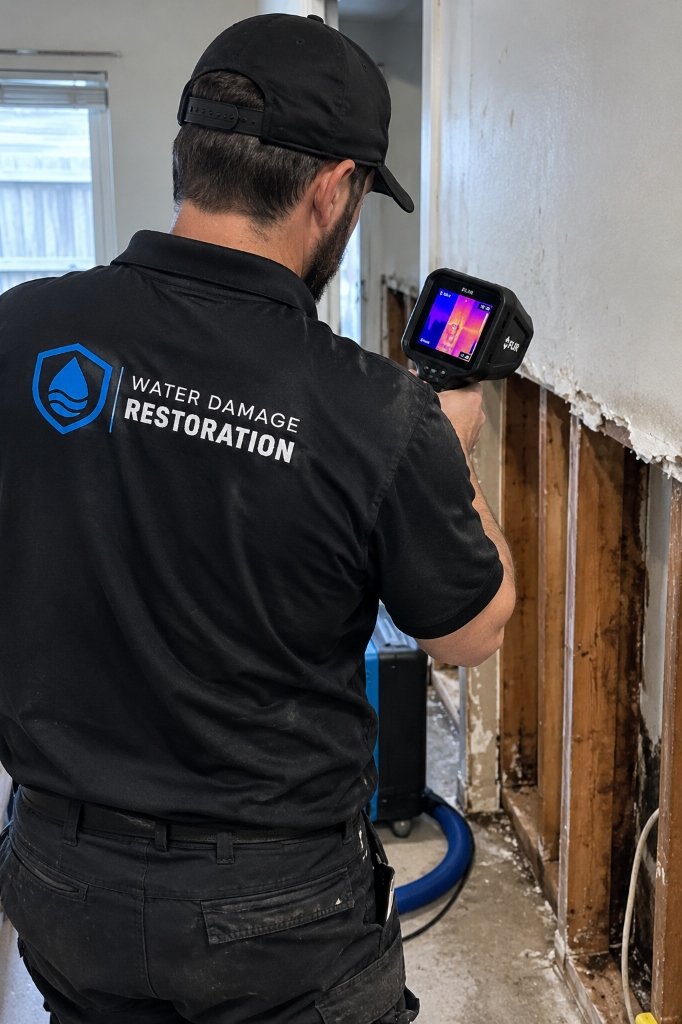
Restoration specialist assessing a water-affected property
Straightforward Service

Know What Needs Doing Before Work Begins

For water damage restoration in Greensborough, property owners need clear information about what is wet and what can be done next. We explain the areas that need attention, discuss practical options for residential and commercial properties, and outline the proposed work before it proceeds.

  • Phone support for urgent water damage enquiries
  • Experienced team for residential and commercial properties
  • Extraction and drying equipment suited to the affected materials
  • Moisture checks to help locate damp areas and follow drying progress
  • A clear explanation of the proposed work and next steps
  • Job details and available records for insurance enquiries
  • Options for houses, units, offices and commercial premises
  • A chance to discuss the scope and likely costs before proceeding
How the Work Proceeds

From Initial Checks to Drying Review

The work plan depends on the water source, the affected materials and the readings found during inspection. These are the usual stages of a water damage job.

1
Step 1

Locate the Affected Areas

We ask how the incident happened, check the visible damage and use suitable moisture meters where needed. Any ongoing leak should be stopped by the appropriate trade before restoration can progress.

2
Step 2

Remove Standing Water

Water is collected using extraction equipment that fits the site and the amount of water present. If the water may contain sewage or other contaminants, the area needs extra safety controls.

3
Step 3

Dry Floors and Building Materials

Air movers and dehumidifiers can help dry suitable materials. Flooring systems may need a more targeted approach when moisture has travelled below the visible surface.

4
Step 4

Clean Affected Areas

Cleaning products and filtration methods are chosen for the type of water and the materials involved. Any persistent smell or visible mould should be assessed rather than covered with fragrance.

5
Step 5

Review Moisture and Remaining Work

Follow-up readings help show whether affected materials are drying as expected. Before the job closes, ask for a summary of the work completed and any repairs or additional steps still needed.

Common Sources of Damage

Leaks and Flooding That Can Affect a Property

Different water sources create different cleanup needs. Identifying what happened helps determine how the affected rooms and materials should be handled.

Burst Pipes

A split pipe or failed connection can send water into cupboards, walls and adjoining rooms.

Storm Flooding

Rainwater can enter through doorways, low points, damaged drainage or openings around the building.

Roof Leaks

Roof defects may leave ceiling stains, damp insulation or moisture around light fittings.

Washing Machine Leaks

A loose hose or failed inlet can spread water across laundry flooring and into nearby rooms.

Dishwasher Overflow

A slow leak beneath the appliance can affect cabinet bases, flooring edges and hidden joints.

Hot Water System Failures

A faulty tank or connection may leave nearby walls and floors wet before the leak is noticed.

Blocked Drains

A blocked drain can cause water to back up into bathrooms, outdoor areas or lower-level spaces.

Toilet & Sewer Backup

Wastewater may contain contaminants and should not be handled as ordinary household water.

Ceiling Leaks

Water from an upstairs bathroom can travel through the ceiling and damage paint, plaster and nearby fittings.

Appliance Leaks

Small leaks from appliances or condensate lines can remain hidden until swelling, staining or odour appears.

Before You Arrange Service

Water Damage Questions Answered

Read what to consider when dealing with wet carpets, flooring, contaminated water and the cost of restoration.

Contact the Restoration Team

Arrange Water Damage Restoration in Greensborough

Tell us what caused the water damage, which rooms are affected and whether the leak has stopped. We can discuss water extraction, structural drying, wet carpet cleanup or another suitable service, along with current availability.

Need help with a leak or flood? Call to explain the damage and check whether service is available for your location.
Emergency Phone (24/7) 0433 420 900 Call to Check Current Availability
Email Support info@dirtalert.com.au Send Your Restoration Enquiry
Service Area Greensborough & Surrounding Areas, VIC Confirm Coverage for Your Address
Nearby Service Areas

Water Damage Restoration in Greensborough and Nearby Suburbs

If a leak or flood affects your property, contact us with your suburb and the type of damage. We will confirm whether the location is within our current service area.

Eltham
Montmorency
Briar Hill
Watsonia
Macleod
Viewbank
Lower Plenty
Diamond Creek
Bundoora

Service availability depends on the suburb, current workload and job requirements. Call before booking to discuss your address and the help you need.

Property Care Reference

A Practical Guide to Water Damage in Greensborough

Use this guide to understand what to check after a leak, why hidden moisture matters and how restoration equipment helps with different materials.

Greensborough Water Damage Reference Guide Scroll to read the full guide

After a leak, the first visible puddle rarely tells the whole story. Water can pass beneath carpet, collect along skirting boards or reach the base of cupboards. In some cases, a room looks dry while moisture remains inside the materials. This is why water damage restoration near you should include checks for hidden moisture, not just a quick surface clean.

Water damage restoration in Greensborough should start with the source of the water and the surfaces affected. A burst supply pipe, roof leak and sewer overflow need different responses, whether the property is a home, unit, shop or office.

Unsure what needs attention? Call 0433 420 900 and describe the affected rooms, flooring and water source.
Check Beyond the Wet Surface

Water may travel sideways under floor coverings or soak the bottom edge of plasterboard. Pay attention to carpet seams, room corners, cupboard kickboards, swollen skirting and changes in timber flooring. A persistent damp smell can also indicate that materials need a closer look.

Do not rely on a fan or a dry-looking surface as proof that the area is ready to use. Different materials release moisture at different rates, and concealed spaces may need separate checks.

If a ceiling is sagging, a floor feels unstable or water may have reached electrical fittings, stay clear and arrange the appropriate safety assessment.

Match the Response to the Water Source

Supply Pipe or Appliance Leak

If the water came from a supply line or appliance, stop the source if it is safe and arrange extraction from affected floors and rooms. For residential and commercial pipe repairs, a licensed plumber in Greensborough should deal with the leak itself. A restoration team can then assess water that has spread behind cabinets or beneath flooring.

Rainwater or Outdoor Flooding

Water entering from outside may carry dirt and other material. The cleanup plan should account for the condition of the water, how far it travelled and whether porous items can be cleaned safely.

Sewer or Toilet Overflow

Keep children and pets away from potentially contaminated water. Avoid direct contact and do not use household equipment to remove it. Specialist cleanup may be needed for affected contents and building materials.

What the Main Restoration Equipment Does

Extraction machines and pumps: remove pooled water before detailed drying can begin.

Moisture meters: help compare moisture levels in suitable materials and track changes during the job.

Air movers: direct airflow across wet surfaces to support evaporation.

Dehumidifiers: collect moisture from indoor air so drying conditions can be better controlled.

Floor-drying equipment: may be considered when a compatible flooring system has moisture below its surface.

Air filtration units: can be useful for certain cleanup or remediation tasks when the site assessment calls for them.

Questions Worth Asking Before Work Starts

Ask which rooms and materials are included in the proposed work, how progress will be checked and what could change the estimate. If the source is not yet repaired, clarify who needs to deal with it before drying can be completed.

For an insurance matter, keep your photos, dates and claim reference handy. Ask your insurer what approvals or records it needs, and check what job notes or moisture readings can be supplied for the work undertaken.

A useful quote should explain the intended work and any known exclusions. If more damage is discovered after access or inspection, ask for the change to be explained before additional work proceeds.

Prepare for the First Visit

If safe, move dry belongings away from the affected area and take photos before items are disturbed. Do not lift heavy furniture, remove building materials or operate electrical equipment in a wet space if doing so could put you at risk.

When you call, share the suburb, the likely water source, the rooms affected, the type of flooring and roughly when the incident began. These details help the team understand the situation and discuss a suitable response.